    Back to Complete Guide
    Regional Guide

    Ethiopian Coffee RegionsYirgacheffe, Sidamo & Guji

    A detailed exploration of Ethiopia's three most celebrated coffee-growing regions, their unique terroirs, and signature cup profiles.

    Last Updated: January 30, 2026

    Ethiopia's three premier coffee regions—Yirgacheffe, Sidamo, and Guji—each produce distinct flavor profiles shaped by altitude (1,550–2,300m), soil, and processing traditions. Yirgacheffe delivers floral jasmine notes, Sidamo offers balanced citrus-honey complexity, and Guji is prized for intense fruit-forward naturals.

    Ethiopia's coffee regions each offer distinct character shaped by altitude, climate, soil composition, and traditional processing methods. Understanding these differences is essential for roasters and importers seeking specific flavor profiles for their programs.

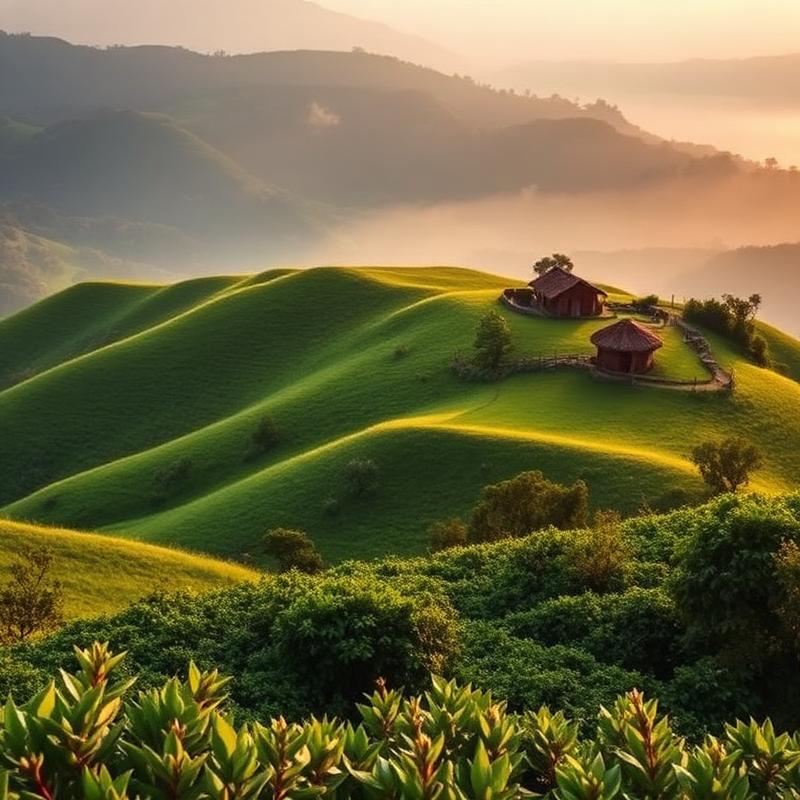
    Yirgacheffe coffee region in Ethiopia showing coffee cultivation at high altitude
    Region 01

    Yirgacheffe

    Altitude1,700 - 2,200m
    HarvestOctober - January
    ProcessingWashed & Natural

    Yirgacheffe is Ethiopia's most celebrated coffee region, producing what many consider the finest washed Arabica in the world. The name has become synonymous with floral, complex, and delicate specialty coffee.

    Cup Characteristics

    Washed Yirgacheffe coffees display intense floral aromatics—jasmine and honeysuckle are common descriptors—with bright, citric acidity and a tea-like body. Natural processed lots from Yirgacheffe offer tropical fruit notes while retaining the region's signature florality.

    Signature Flavor Notes
    JasmineBergamotLemongrassStone FruitTea-like
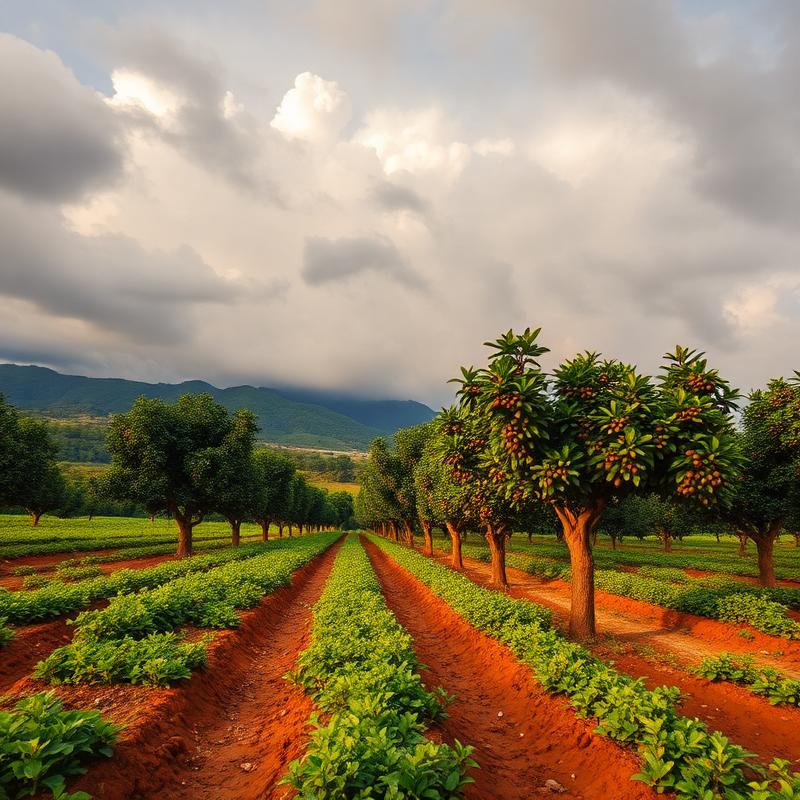
    Sidamo (Sidama) coffee region in Ethiopia showing coffee cultivation at high altitude
    Region 02

    Sidamo (Sidama)

    Altitude1,550 - 2,200m
    HarvestOctober - February
    ProcessingWashed & Natural

    The Sidamo zone is one of Ethiopia's largest and most diverse coffee-producing regions. In 2020, Sidama was officially designated as a Geographical Indication, recognizing its unique terroir.

    Cup Characteristics

    Sidamo coffees offer remarkable variety. Washed lots typically present citrus and floral notes with balanced acidity, while naturals can display intense berry and wine-like characteristics. The region's diversity makes it excellent for roasters seeking consistent supply with varied profiles.

    Signature Flavor Notes
    CitrusHoneyBerriesChocolateWine
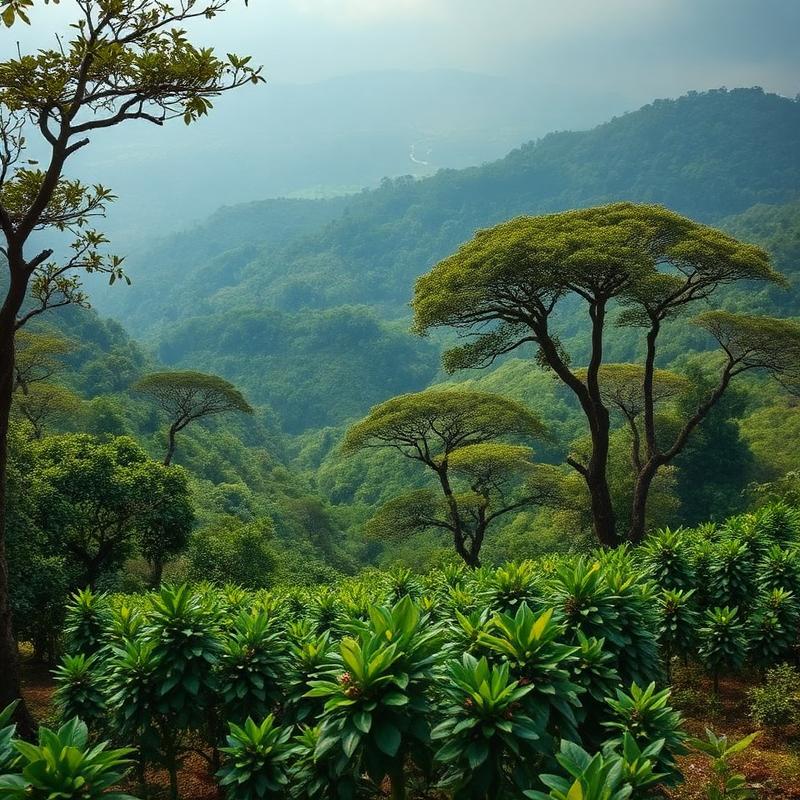
    Guji coffee region in Ethiopia showing coffee cultivation at high altitude
    Region 03

    Guji

    Altitude1,800 - 2,300m
    HarvestNovember - January
    ProcessingPrimarily Natural

    Guji has emerged as one of Ethiopia's most exciting specialty coffee regions. Previously grouped under Sidamo, Guji gained recognition as a distinct origin due to its exceptional natural processed coffees.

    Cup Characteristics

    Natural processed Guji coffees are renowned for their intense fruit-forward character—blueberry jam and strawberry are signature notes. The high altitudes produce dense beans with complex acidity beneath the fruit sweetness, and a syrupy, full body that distinguishes Guji from other origins.

    Signature Flavor Notes

    BlueberryStrawberryDark ChocolateTropical FruitSyrup
    Common Questions

    Frequently Asked Questions

    Which Ethiopian coffee region has the most floral flavor?

    Yirgacheffe is renowned for its intense floral aromatics, with jasmine, bergamot, and honeysuckle being the most common descriptors. Washed Yirgacheffe lots display bright citric acidity and a tea-like body, making it the archetype of floral Ethiopian coffee.

    What makes Guji coffee different from Sidamo?

    Guji was previously grouped under Sidamo but gained recognition as a distinct origin due to its exceptional natural processed coffees. Guji naturals are prized for intense blueberry and strawberry notes with a syrupy body, while Sidamo offers more balanced citrus-honey profiles across both washed and natural lots.

    At what altitude is Ethiopian coffee grown?

    Ethiopian specialty coffee is grown at altitudes ranging from 1,500 to 2,300 meters above sea level. The highest altitudes—found in Yirgacheffe and Guji—produce denser beans with more complex acidity and flavor concentration due to slower cherry maturation.

    When is Ethiopian coffee harvest season?

    The main harvest season runs from October through February, with some regional variation. Yirgacheffe harvests October–January, Sidamo extends through February, and Guji peaks November–January. Fresh-crop green beans become available for export starting March–April.

    Can I source single-region Ethiopian coffee for my roastery?

    Yes. We offer region-specific lots from Yirgacheffe, Sidamo, and Guji with full washing station traceability. Sample orders start at 10 bags (600 kg), allowing roasters to cup and evaluate specific regional profiles before committing to larger volumes.

    Source by Region

    Explore Regional Offerings

    Request samples and pricing for specific regional lots from our current inventory.

    Request Regional Samples